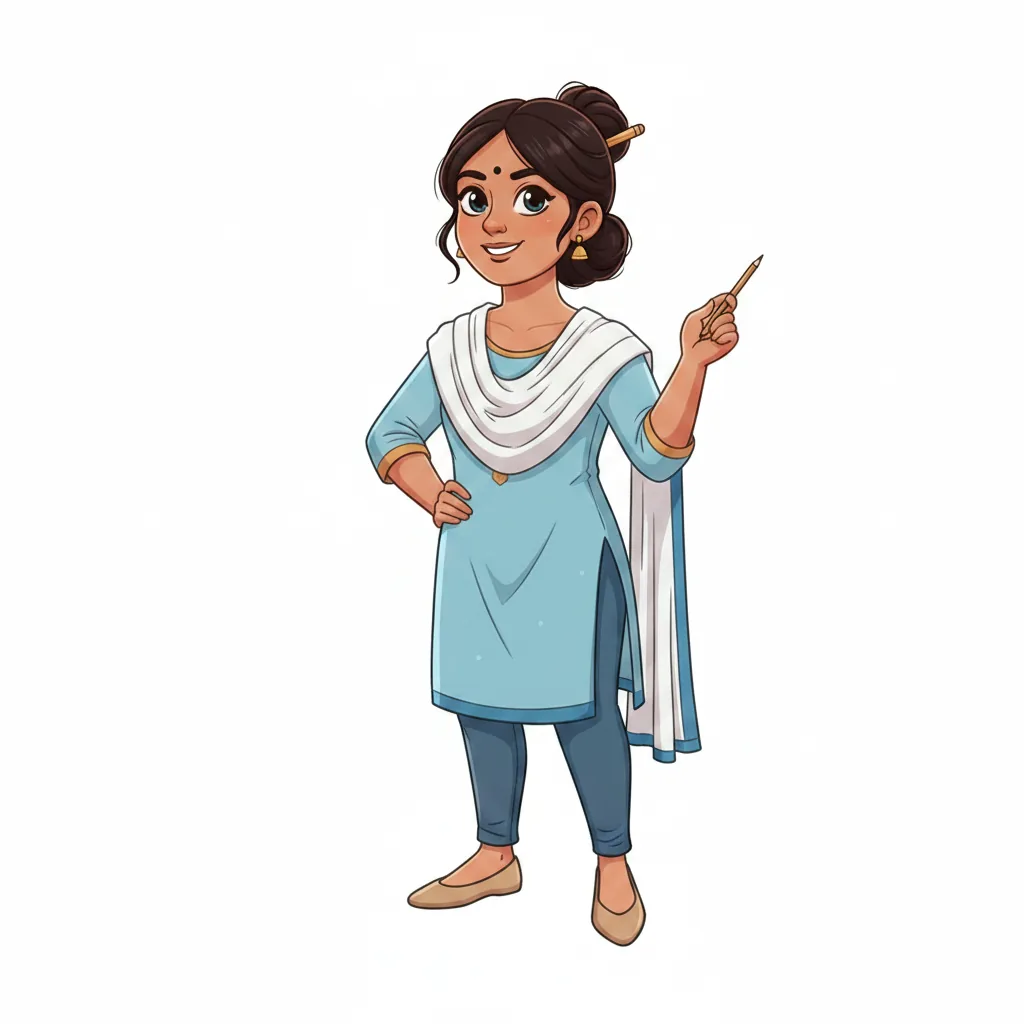
A Gift of Chappals
'A Gift of Chappals' is a delightful story from the NCERT Class 7 English textbook that introduces readers to Mridu's visit to her aunt's house and the adventures she shares with her cousins. The narrative beautifully portrays the children's spontaneous act of kindness towards a beggar, leading to humorous and thought-provoking consequences. It highlights the contrast between adult practicality and childlike empathy, making it a memorable read for young learners.
Mridu's Arrival and the Secret Kitten
Mridu, ek young girl, apni grandmother Tapi ke saath Madras (Chennai) mein rehti hai. Ek din Tapi use apni aunt Rukku Manni ke ghar le jaati hai, jahaan woh apne cousins Lalli, Ravi aur Meena se milti hai.
- Mridu ka Arrival:
- Rukku Manni ne door open kiya, aur Ravi-Meena ne Mridu ko andar pull kiya.
- Mridu ne apni slippers neatly ek large black pair ke paas rakhi.
- Usne notice kiya ki woh black slippers grey ho chuki thi dust se, aur un par toes ke clear marks the, especially do bade toes ke long aur scrawny marks.
- Secret Kitten:
- Ravi Mridu ko backyard mein, bitter-berry bush ke peeche le gaya.
- Wahaan, ek torn football ke andar, jismein sacking aur sand bhari thi, ek chhota kitten milk pee raha tha coconut half-shell se.
- Meena ne bataya ki unhe kitten morning mein gate ke bahar mila tha.
- Yeh ek secret tha, kyunki Amma (Rukku Manni) ne kaha tha ki agar Paati ko pata chala toh woh Paddu Mama ke ghar chali jaayengi.
- Ravi ki Struggle for Milk:
- Ravi ne complain kiya ki log animals par kind hone ko kehte hain, but jab woh hote hain, toh log chillate hain.
- Usne bataya ki kitchen se milk lena kitna difficult tha. Paati ne use glass ke saath dekh liya tha.
- Ravi ne jhoot bola ki use bhookh lagi hai aur milk peena chahta hai.
- Usne milk ka most part piya to throw Paati off the scent, phir jaldi se coconut shell mein pour kiya aur tumbler wash karke wapas rakh diya, before Paati became suspicious.
- Kitten ka Name - Mahendran:
- Mridu was impressed jab usne suna ki kitten ka naam Mahendran hai, not just a cute kitty-cat name.
- Ravi ne bataya ki uska full name Mahendravarma Pallava Poonai (M.P. Poonai) hai.
- Usne kitten ko fine breed of cat bataya, jiska fur lion ke mane jaisa tha.
- Ravi ne Pallava kings ke emblem aur Mahabalipuram ki history se kitten ka connection banaya, claiming it was a descendant of the Mahabalipuram Rishi-Cat, jo ki ancient Egyptian cat-god/goddess Bastet ka descendant tha.
- Ravi ki imagination aur uski storytelling ability yahaan clearly visible hai.
- Noise aur Mahendran ka Reaction:
- Ravi ki 'whoop EEK' sound se Mahendran alarmed ho gaya, jo apne claws coconut shell par sharpen kar raha tha.
- Par usse bhi zyada frightening thi window se aane wali 'Kreech...!' sound.
- Mahendran darr ke maare chillies ke bamboo tray ke neeche chala gaya, aur kuch chillies apne upar gira liye, 'Mi-a-aw!' karte hue.
- Mridu ne poocha yeh noise kya hai, aur Ravi ne bataya ki Lalli violin seekh rahi hai.
Ravi's Imaginative Tale: Mahendran's Ancestry
Ravi ki imagination is chapter ka ek key element hai. Woh Mahendran the kitten ki ancestry ko elaborate aur dramatic tareeke se explain karta hai.
- Mahendran ka Royal Lineage:
- Ravi claims karta hai ki Mahendran ka full name Mahendravarma Pallava Poonai hai, aur use short mein M.P. Poonai kehte hain.
- Woh kitten ko fine breed of cat batata hai, jiska fur lion ke mane jaisa hai.
- Ravi ancient Pallava kings ke emblem ka reference deta hai, jo ki lion tha.
- Uska kehna hai ki Mahendran Mahabalipuram Rishi-Cat ka descendant hai.
- Historical aur Mythological Connections:
- Ravi apni class trip to Mahabalipuram ka zikr karta hai, jahaan usne ek statue dekhi thi jo Mahendran ke 'thatha's thatha's... etcetera' ki thi.
- Woh Mahendran ko scientifically speaking, lion ka close relative batata hai, specifically the Pallava lion.
- Ravi further claims karta hai ki ancient Egypt mein cats ko worship kiya jaata tha, aur Mahendran Egyptian cat-god/goddess Bastet ka descendant hai.
- Uske according, Bastet ka ek descendant Pallava ships mein stowaway bankar aaya, aur uske descendants mein se ek Mahabalipuram Rishi-Cat tha, jiska descendant M.P. Poonai hai.
- Ravi ki Personality:
- Yeh incident Ravi ki rich imagination, storytelling ability, aur confidence ko highlight karta hai.
- Woh apni baat ko convince karne ke liye historical aur mythological references ka use karta hai, bhale hi woh exaggerated hon.
- Mridu aur Meena uski baaton ko sunte hain, aur Mridu initially impressed bhi hoti hai.
- Ravi ko apni voice ki sound bahut pasand hai, jo uske enthusiastic aur talkative nature ko show karta hai.
- Impact on Story:
- Yeh episode story mein humor add karta hai aur children ke innocent yet imaginative world ko portray karta hai.
- It also sets the stage for the 'kreeching' sound jo Mahendran ko frighten karti hai, leading to Lalli's violin practice.
Lalli's Violin Practice and the Music Master
Lalli ka violin practice aur music master ka description story mein ek humorous aur contrasting element add karta hai.
- Lalli ka Violin Playing:
- Mridu window se dekhti hai ki Lalli awkwardly violin aur bowstring pakde hue hai.
- Uske elbows jutting out the aur eyes concentration se glazed the, but still she was struggling.
- Ravi ne Lalli ke playing ko 'train derailing' se compare kiya, saying she was 'going completely off track'.
- Uska violin 'helpless and unhappy' lag raha tha uske haathon mein.
- Music Master ka Description:
- Music master ka figure bony tha, aur uski back window ki taraf thi.
- Uska head mostly bald tha, with a fringe of oiled black hair falling around his ears aur ek old-fashioned tuft.
- Uske leathery neck par gold chain gleam kar rahi thi, aur uske hand par diamond ring glitter kar rahi thi, jo violin ke stem par glide kar raha tha.
- Uske gold-bordered veshti edge ke neeche se ek large foot nikla hua tha, aur woh apne scrawny big toe se floor par time beat kar raha tha.
- Contrast in Music:
- Music master ke notes smoothly float up aur settle ho jaate the, jaise train ke wheels rails mein smoothly fit ho jaate hain.
- Lalli uske peeche stumble karti thi, unable to match his rhythm aur melody.
- Yeh contrast master aur student ke skill level mein huge difference ko highlight karta hai.
- Significance:
- Yeh scene humor create karta hai aur children ke perspective se adults ki activities ko show karta hai.
- It also introduces the music master, jiske chappals later story mein ek crucial role play karte hain.
The Beggar's Plight and the Children's Empathy
Story ka yeh part children ke compassion aur generosity ko reveal karta hai, especially towards the beggar.
- Beggar ka Arrival:
- Ek 'Amma!' wail gate se aati hai, jo ek beggar ki thi.
- Rukku Manni Ravi ko us beggar ko bhagane ko kehti hai, kyunki woh ek hafte se daily aa raha tha.
- Paati bhi agree karti hai ki use ab doosra ghar dhoondhna chahiye.
- Beggar ki Condition:
- Beggar garden mein neem tree ke neeche baitha tha, apna upper cloth spread karke, alms ka wait kar raha tha.
- Usne children ko bataya ki is ghar ki ladies very kind souls hain aur unki generosity par usne ek hafte tak survive kiya hai.
- Uska wail sad tha but not feeble; it came from his withered belly, aur uske mouth mein betel-chewing se stained few remaining teeth the.
- Rukku Manni ne Ravi ko bataya ki kitchen mein kuch nahi hai aur use wapas na aane ko kahe.
- Beggar ke Feet:
- Beggar ne tiredly kaha ki woh chala jaayega, but use neem tree ke neeche rest karne do, kyunki sun bahut hot hai aur tar road par melt ho gaya hai.
- Usne apne feet stretch kiye aur large, pink, peeling blisters dikhaye apne bare feet ke soles par.
- Yeh dekhkar Mridu, Meena, aur Ravi ko us par bohat taras aaya.
- Children ki Empathy:
- Mridu ne whisper kiya ki uske paas chappals khareedne ke paise nahi honge.
- Meena ki eyes fill ho gayi, saying 'It's not fair!'
- Ravi ne socha ki use chappals ki zaroorat hai, aur usne children ko ghar mein chappals dhoondhne ko kaha.
- Yeh scene children ki innate kindness aur unki desire to help others ko highlight karta hai, especially jab woh kisi ki suffering dekhte hain.
The Gift of Chappals and its Immediate Consequences
Children ki empathy unhe ek bold decision lene par majboor karti hai, jiske immediate consequences hote hain.
- The Discovery:
- Mridu ki eyes verandah mein un odd-looking chappals par padi jo usne arrival par notice ki thi.
- Usne Ravi ko whisper karke poocha ki woh kiski hain.
- Ravi ne un shabby-looking, but sturdy old slippers ko dekha aur beam kiya, saying 'These are just the right size'.
- Yeh wohi chappals the jo music master ne utaare the.
- The Act of Giving:
- Ravi, Mridu, aur Meena nervously garden mein wapas aaye.
- Ravi ne slippers beggar ke saamne drop kiye aur kaha, 'Wear these and don’t come back!'
- Beggar ne slippers ko dekha, hurriedly apna towel shoulder par flung kiya, feet unmein daale aur chala gaya, children ko blessing dete hue.
- Woh ek minute mein street ke corner se vanish ho gaya.
- Music Master ki Search:
- Music master ghar se bahar aaya aur un teeno ko dekha jo tree ke neeche marbles khel rahe the.
- Usne apni chappals verandah mein dhoondhni shuru ki jahaan usne unhe rakha tha.
- Usne Lalli ko bulaya aur poocha ki usne uski chappals dekhi hain kya.
- Music master ne bataya ki woh brand new thi aur usne unhe Mount Road se khareeda tha, aur unki cost ek poore month ki fees thi.
- Rukku Manni ka Reaction:
- Lalli ne apni mother Rukku Manni ko bataya, jo Paati ke saath harassed dikhte hue aayi.
- Paati worried thi ki kisi ne unhe chura liya hoga, kyunki bahut saare vendors door par aate hain.
- Rukku Manni ne children ko dekha aur unki curious quietness notice ki.
- Uske eyebrows ke beech sharp V-shaped line ban gayi, aur uska mouth tight ho gaya, indicating she was angry.
- Mridu ne socha ki agar Rukku Manni ko beggar ke feet ke sores ke baare mein pata hota toh woh itni upset nahi hoti.
- Mridu ne finally bataya ki ek beggar aaya tha jiske feet par boils the.
- Rukku Manni ne Ravi se grimly poocha ki kya usne music master ki chappals us beggar ko de di.
- Paati ne groan kiya, 'Children these days...!'
- Ravi ka Justification:
- Ravi ne Karna ki story ka reference diya, jo kind aur generous tha aur sab kuch de deta tha.
- Rukku Manni ne snap kiya ki Karna ne apni cheezein di thi, doosron ki nahi.
- Ravi ne brashly kaha ki uski chappals beggar ko fit nahi aati, aur agar aati toh kya Amma mind nahi karti?
- Rukku Manni bohat angry ho gayi aur Ravi ko andar jaane ko kaha.
Rukku Manni's Resolution and Humorous Aftermath
Rukku Manni ki anger aur uske baad ka resolution story ko ek satisfying aur humorous end deta hai.
- Rukku Manni ka Action:
- Rukku Manni andar gayi aur Gopu Mama ki hardly worn, new chappals lekar aayi.
- Usne music master ko offer kiya, saying 'These should fit you, Sir. Please put these on. I am so sorry. My son has been very naughty.'
- Music master ki eyes lit up, aur usne unhe pehna, trying not to look too happy.
- Music Master ka Reaction:
- Music master ne kaha ki 'Well, I suppose these will have to do...'
- Usne complain kiya ki 'These days children have no respect for elders, what to do?'
- Usne Ravi ko 'Hanuman incarnate' kaha, implying he was mischievous like Hanuman, aur kaha ki 'only Rama can save such a naughty fellow!'
- Rukku Manni ko Ravi ko monkey kehna pasand nahi aaya, even if it was a holy monkey. Uski eyes flashed, aur woh stiff aur straight khadi thi, wanting him to leave quickly.
- Humorous Aftermath:
- Jab music master apni new chappals mein clatter karte hue chala gaya, Rukku Manni ne Mridu ko andar aakar tiffin khane ko kaha.
- Usne children ki thinking par wonder kiya, 'Honestly, how do you children think of such things?'
- Usne God ka thank kiya ki Gopu Mama apni chappals work par nahi pehanta.
- Kitchen ki taraf jaate hue, Rukku Manni suddenly hasne lagi.
- Usne socha ki Gopu Mama kya kahenge jab use pata chalega ki uski new chappals music master ko de di gayi hain, especially since he is always in a hurry to throw off his shoes and socks and get into his chappals as soon as he comes home.
- Yeh ending story mein light-heartedness aur humor add karti hai, showing Rukku Manni's underlying affection for her children despite her anger.
Ostrich Characteristics and Defense Mechanisms
This section, 'Do you know...', provides interesting facts about ostriches, which is a general knowledge segment in the NCERT text, not directly related to the main story 'A Gift of Chappals'.
- Ostrich ki Defense Strategy:
- Jab ostrich door se danger sense karta hai, toh woh ground par flat let jaata hai, apni long neck ko almost horizontal rakhta hai.
- Is position mein, enemy use distance se spot nahi kar paata aur use shrub ya bush samajh sakta hai.
- Agar danger close ho, toh ostrich bhaag jaata hai.
- Speed aur Strength:
- Ostriches fly nahi kar sakte, but they can run as fast as 65 km per hour.
- Agar unhe corner kiya jaaye, toh they give a swift, hard kick.
- Metaphorical Meaning:
- 'An ostrich burying its head in sand to escape attention' is a metaphor.
- It refers to people who ignore rather than face a problem.
- Important Note: Ostriches actually do not bury their heads in the sand; this is a common misconception.
Analyzing 'The Rebel' Poem: Non-conformity
'The Rebel' poem, written by D.J. Enright, describes a person who deliberately acts opposite to what others do. Yeh poem non-conformity aur individuality ke concept ko explore karti hai.
- Rebel ka Nature:
- Rebel woh person hota hai jo hamesha doosron se disagree karta hai ya unke opposite karta hai.
- Woh social norms aur expectations ko challenge karta hai.
- Examples of Rebel's Actions:
- Hair: Jab sab short hair rakhte hain, rebel long hair rakhta hai. Jab sab long hair rakhte hain, rebel short kar leta hai.
- Classroom: Jab sab lesson ke dauran baat karte hain, rebel chup rehta hai. Jab sab chup rehte hain, rebel disturbance create karta hai.
- Clothes: Jab sab uniform pehente hain, rebel fantastic clothes pehenta hai. Jab sab fantastic clothes pehente hain, rebel soberly dress karta hai.
- Pets: Dog lovers ki company mein, rebel cats ko prefer karta hai. Cat lovers ki company mein, rebel dogs ki tareef karta hai.
- Weather: Jab sab sun ki praise karte hain, rebel rain ki zaroorat batata hai. Jab sab rain ko greet karte hain, rebel sun ki absence par regret karta hai.
- Social Gatherings: Jab sab meeting mein jaate hain, rebel ghar par book padhta hai. Jab sab ghar par book padhte hain, rebel meeting mein jaata hai.
- Responses: Jab sab 'Yes please' kehte hain, rebel 'No thank you' kehta hai. Jab sab 'No thank you' kehte hain, rebel 'Yes please' kehta hai.
- Poem ka Message:
- Poem kehta hai ki 'It is very good that we have rebels.' Rebels society mein diversity aur new perspectives laate hain.
- However, it also states, 'You may not find it very good to be one.' Rebel hona difficult ho sakta hai kyunki unhe social disapproval ya isolation face karna pad sakta hai.
- Literary Devices:
- Antithesis/Contrast: Poem mein har stanza mein opposite actions ya preferences ko juxtapose kiya gaya hai (e.g., long hair vs. short hair, talking vs. silence).
- Repetition: 'When everybody...' aur 'The rebel...' phrases ka repetition poem ko ek rhythmic structure deta hai aur rebel ke consistent nature ko emphasize karta hai.
- Irony: Rebel ka behavior ironic hota hai, kyunki woh sirf doosron ke opposite karne ke liye karta hai, na ki kisi genuine reason se.
- Themes:
- Non-conformity: The central theme is the act of not conforming to established norms or practices.
- Individuality: Rebel apni individuality ko assert karta hai, bhale hi woh sirf opposition ke through ho.
- Social Dynamics: Poem highlights how individuals interact within a group and the role of those who choose to be different.
Understanding Tongue Twisters and Alliteration
The 'Tutor Tooted' section is a classic example of a tongue twister, which primarily uses the literary device of alliteration.
- Tongue Twister:
- A tongue twister is a sequence of words that are difficult to pronounce correctly and quickly.
- They are often used for fun, speech therapy, or to improve pronunciation.
- Alliteration:
- Definition: Alliteration is the repetition of the same initial consonant sound in words that are close together.
- Example from 'Tutor Tooted':
- "A Tutor who tooted a flute"
- "Tried to tutor two tooters to toot."
- "Said the two to their tutor,"
- "Is it harder to toot / Or to tutor two tooters to toot?"
- Here, the dominant consonant sound is 'T', which makes the lines challenging to say quickly without stumbling.
- Purpose:
- In literature, alliteration can create rhythm, mood, or emphasize certain words.
- In tongue twisters, its main purpose is to create a playful challenge for pronunciation.